Q1. Why are vanity metrics considered a problem in 2026?
Vanity metrics like likes and views often provide a false sense of success because they don’t always correlate with sales or brand loyalty. In a crowded market, high engagement without conversion leads to “burning” marketing budgets without a clear return on investment.
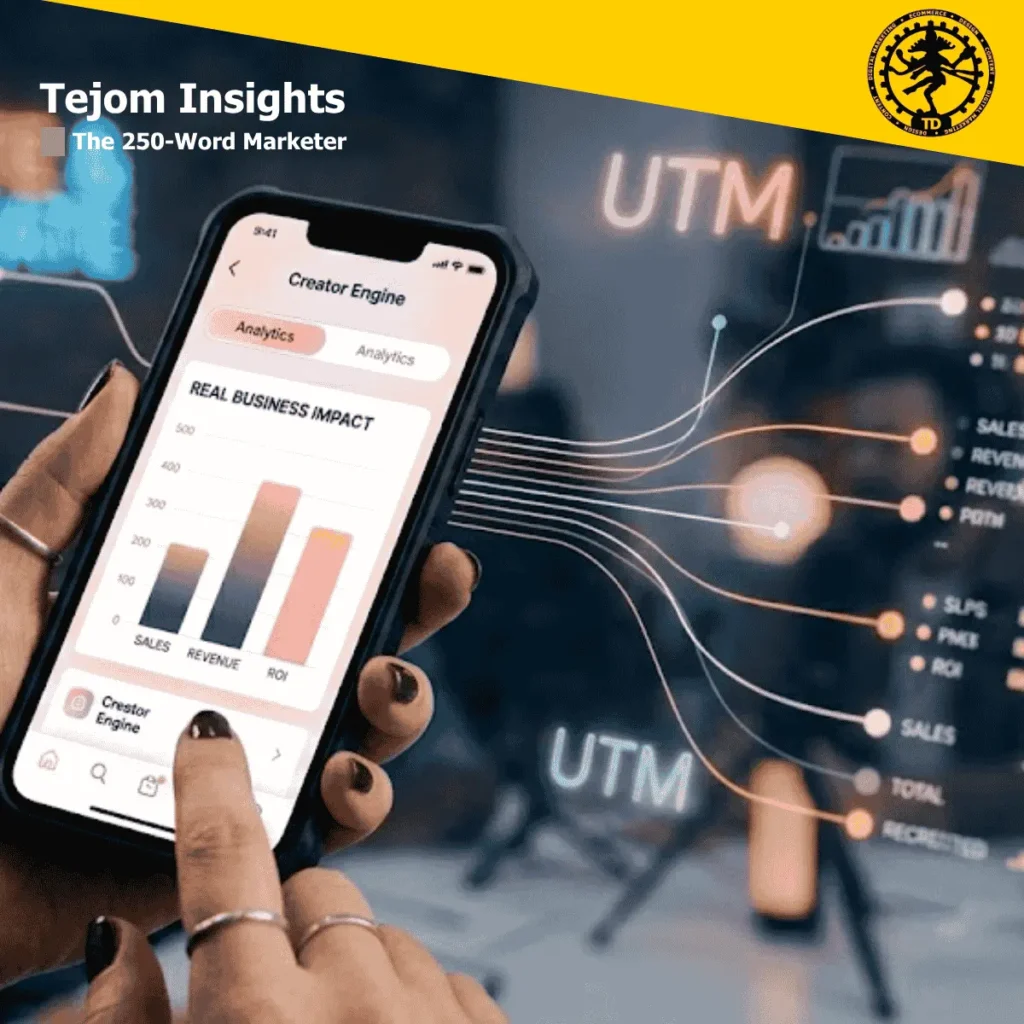
Q2. How do UTM parameters help in influencer campaigns?
UTM parameters are tags added to a URL that allow analytics software to track exactly where a visitor came from. By giving each influencer a unique UTM link, you can see which specific creator is driving traffic, how long those users stay on your site, and if they ultimately make a purchase.
Q3. What is the difference between Reach and Engagement Mapping?
Reach measures how many unique users saw the content, while Engagement Mapping tracks what those users did next. Mapping looks at high-intent actions—like saving a post or clicking a link—to determine where a user is in the buying journey.
Q4. Can I track conversions if an influencer doesn’t use a link?
Yes, by using unique “Promo Codes” or monitoring “Branded Search Lift.” If your brand’s search volume spikes specifically during an influencer’s live window, you can attribute that organic interest to the campaign.
Q5. What is a “Transparency Framework”?
It is a standardized set of reporting rules and tracking tools that ensures both the brand and the creator see the same performance data. It eliminates “black box” reporting where agencies hide underperforming stats.
Q6. Which attribution model is best for social media?
For most brands, a Multi-Touch Attribution (MTA) model is best because social media is rarely a “last-click” channel. It acknowledges that a customer might interact with several pieces of content before buying.
Q7. Is it expensive to set up technical tracking?
Not necessarily. Tools like Google Analytics 4 (GA4) are free, and basic UTM builders cost nothing. The “cost” is primarily the time spent setting up a consistent naming convention for your links.
Q8. Should I stop working with influencers who have low conversion but high reach?
Not always. If your goal is “Brand Awareness,” high-reach creators are valuable. However, you should pay them based on awareness rates, not the premium rates reserved for high-conversion “sales drivers.”



 [your-shortened-UTM-link]”