

Tejom Digital Awarded top 10 Advertising Startup for 2022 by Silicon India - Start Up City
Tejom-Digital-Digital-Marketing-Agency- is an registered MSME

आ नो भद्राः क्रतवो यन्तु विश्वतः

Let noble thoughts come from all directions

Festive Season Marketing Calendar 2026 Planning for Durga Puja and Diwali

Durga Puja runs October 17–21, 2026. Diwali falls on Sunday, November 8, 2026. From today, that’s roughly five and eight weeks out.

For most brands, the campaigns that run during those weeks are decided well before them — media is booked, creative is produced, and landing pages are tested in advance. If your festive-season plan isn’t at least in draft form right now, you’re already behind the brands that will win the season.

This calendar breaks the run-up into practical stages, with specific attention to Kolkata (where Durga Puja is the year’s biggest commercial event) and the wider Diwali market across Bengaluru, Delhi NCR, and Chandigarh.

Festive Season Marketing Calendar 2026 - Planning for Durga Puja and Diwali

Why This Window Matters

Durga Puja and Diwali aren’t just cultural events — they are, historically, the highest-intent shopping weeks of the Indian calendar year. Retail, e-commerce, FMCG, hospitality, and services businesses typically see their sharpest spikes in both search demand and ad competition during this stretch. That means two things at once: the upside is real, and so is the cost of being unprepared, because ad auctions get more competitive exactly when demand peaks.

We don’t have a verified 2026-specific ad-spend forecast to cite here, and we won’t invent one — but the underlying pattern (festive-quarter demand spikes) is one of the most consistent, well-documented seasonal patterns in Indian retail and digital marketing, repeating every year regardless of the exact spend figures.

Stage 1 (Now – Late September): Strategy and Budget Lock

  • Set your festive budget split across Durga Puja and Diwali separately — they are different audiences with different timing, not one combined “festive push.”
  • Decide your channel mix. Search (including how your account is behaving after the Google Ads AI Max migration — see our related guide), paid social, CTV/streaming, and WhatsApp/click-to-chat all typically see festive-season volume increases.
  • Audit last year’s festive creative and landing pages, if you ran one, to identify what actually converted rather than starting from scratch.
  • Kolkata-specific: if Durga Puja is a genuine commercial moment for your brand (retail, hospitality, F&B, events), this is the stage to confirm pandal-adjacent or community-tie-in activity, since those bookings fill up early.

Stage 2 (Late September – Early October): Creative and Landing Page Production

  • Produce Durga Puja creative first — it needs to be live earlier than Diwali creative, given the October 17 start date.
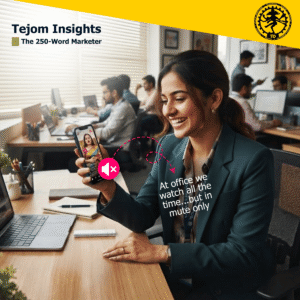
  • Build short-form, sound-off-friendly video assets. Festive-season scrolling happens everywhere, including places without sound on — muted-first creative performs more consistently.
  • Prepare festive-specific landing pages, not just banner ads pointing at your regular homepage. A dedicated page with festive offers, stock/availability clarity, and fast load times matters more when competing ad volume is high.
  • Set up WhatsApp click-to-chat flows if you serve a market where customers prefer chatting over browsing — this is a genuinely strong regional channel during festive shopping in India.

Stage 3 (Mid-October): Durga Puja Execution (Oct 17–21)

  • Launch Durga Puja campaigns with dates confirmed — Shashthi through Dashami (Oct 17–21, 2026) is the core window; don’t let creative sit unpublished into the festival itself.
  • Monitor daily, not weekly. Festive-week performance shifts fast; a campaign that’s underperforming on Saptami needs adjusting before Dashami, not after.
  • Watch inventory and fulfilment messaging closely if you’re in e-commerce — nothing damages festive-season trust like an ad driving traffic to an out-of-stock product.

Stage 4 (Late October – Early November): The Diwali Transition

  • Don’t simply relabel Durga Puja creative as Diwali creative. Audiences outside Bengal, especially in Delhi NCR, Bengaluru, and Chandigarh, respond to Diwali-specific messaging and imagery, not a rebadged Puja campaign.
  • Refresh budgets based on Durga Puja learnings — reallocate toward what worked, especially channel and creative-format performance.
  • Plan for Diwali’s single-day peak (Nov 8, 2026) specifically — many categories see a sharp pre-Diwali build (roughly the preceding 7–10 days) followed by a fast drop-off, so pacing budget across that build-up matters more than spreading it evenly.

Stage 5 (Post-Diwali): Measurement and Carryover

  • Measure Durga Puja and Diwali separately, not as one blended “festive” number — the audiences, timing, and creative needs were different, and blending the data hides what actually worked.
  • Document what worked for next year. Festive-season learnings compound; brands that keep a real record outperform brands that rebuild their plan from memory every year.
  • Plan retargeting for festive-season visitors who didn’t convert — post-festive follow-up campaigns for this audience are often underused.

Key Takeaways

  • Durga Puja (Oct 17–21) and Diwali (Nov 8) are separate audiences and timelines — plan and budget them separately.
  • Creative and landing pages need to be ready before, not during, each event.
  • Kolkata-specific Durga Puja relevance and pan-India Diwali relevance call for different messaging, not one recycled campaign.
  • Daily monitoring during the festival windows matters more than usual, given how fast festive-week performance can shift.
  • No reliable 2026-specific spend forecast is cited here — plan based on your own historical data and the well-established seasonal demand pattern, not on an invented number.

Ready to Lock In Your Festive Strategy Before Rates Spike?

Don’t let competitor ad spend push you out of high-intent search auctions. Talk to our team about your festive campaign today and build a data-driven strategy tailored for Durga Puja and Diwali.

A 15-minute session?

Take the first step toward future-proof growth:

  • For a Direct Business Query: Call us at  99034 72194

  • For a Quick Consultation: WhatsApp our team at 79807 31010

FAQs

  1. When is Durga Puja in 2026?
    Durga Puja 2026 runs October 17–21, based on the Hindu lunisolar calendar.
  2. When is Diwali in 2026?
    Diwali 2026 falls on Sunday, November 8, and is a gazetted holiday in India.
  3. Should Durga Puja and Diwali be one combined marketing campaign?
    No. They have different core audiences (Durga Puja is heavily concentrated around Bengal/Kolkata; Diwali is pan-India) and different timing, so separate creative, budgets, and measurement generally work better than one blended campaign.
  4. How far in advance should festive-season marketing be planned?
    As a practical rule, strategy and budget should be locked 5–6 weeks ahead, with creative and landing pages ready at least 1–2 weeks before each event begins, to allow for testing and adjustment.
  5. What channels matter most for Indian festive-season marketing?
    Search, paid social, CTV/streaming video, and WhatsApp/click-to-chat commonly see festive-season demand increases; the right mix depends on your specific audience and category.
  6. Is Diwali messaging the same as Durga Puja messaging?
    No. Reusing Durga Puja creative for Diwali risks feeling irrelevant to Diwali-first markets like Delhi NCR, Bengaluru, and Chandigarh, where Durga Puja is not the primary cultural driver.
  7. How should festive-season ad budgets be paced?
    Many categories see a sharp build in the 7–10 days before Diwali followed by a fast drop-off after, so pacing budget to that build-up curve is often more effective than spreading it evenly across the whole period.
  8. What’s the biggest mistake brands make during festive-season campaigns?
    Letting ads drive traffic to out-of-stock products or slow, non-festive-specific landing pages — this wastes the exact high-intent traffic the season generates.
  9. Should festive-season performance be measured separately from the rest of the year?
    Yes, and Durga Puja and Diwali should also be measured separately from each other, since blending the numbers hides which event and which creative actually drove results.
  10. Does this festive season overlap with any other major marketing shift in 2026?
    Yes — Google’s AI Max migration for Search campaigns began auto-upgrading accounts on September 1, 2026, right before this festive window, which makes reviewing your Google Ads account settings part of festive-season readiness too. See our related Google Ads AI Max migration guide.

#TejomDigital #TejomInsights #DurgaPuja2026 #Diwali2026 #FestiveMarketing #DigitalMarketingIndia #KolkataBusiness #SeasonalMarketing #EcommerceIndia #B2BMarketing #MarketingStrategy

CTV Programmatic Streaming Ads: The New Era
The 250-Word Marketer
Naina Adhikari

CTV Programmatic Streaming Ads: The New Era

Discover how CTV programmatic streaming ads bridge programmatic precision and big-screen impact. Learn how brand leaders capture silent-scroll audiences using 3-second hooks, kinetic typography, and omnichannel retargeting.

Read More »

Cheap Agencies, Costly Mistakes: How Unlicensed Content Can Tank Your Brand

In an era where digital content moves at breakneck speed, cutting corners with budget agencies or unvetted freelancers can invite catastrophic legal liability. This ready reckoner breaks down how unlicensed stock photos, stolen vectors, and unverified media assets can result in hefty copyright penalties under Section 63 of the Indian Copyright Act, forced rebrands, and lasting reputational fallout.

Read More »